What Happens When a Regulator Decides to Examine Your Transaction Reporting?
Key Takeaways
- Prepare before an enquiry arrives. Examinations and enquiries are a normal part of transaction reporting supervision.
- Establish clear ownership. Everyone should know who is responsible for answering the regulator.
- Keep evidence traceable and teams aligned. An auditable evidence trail and coordination across Legal, Compliance, Operations and Technology support consistent responses.
- Explain weaknesses and demonstrate the fix. Assess the scope, investigate the root cause and evidence both corrective action and governance.
- Build readiness into daily operations. Qomply’s Managed Services keeps documentation, issue records and ownership current before evidence is requested.
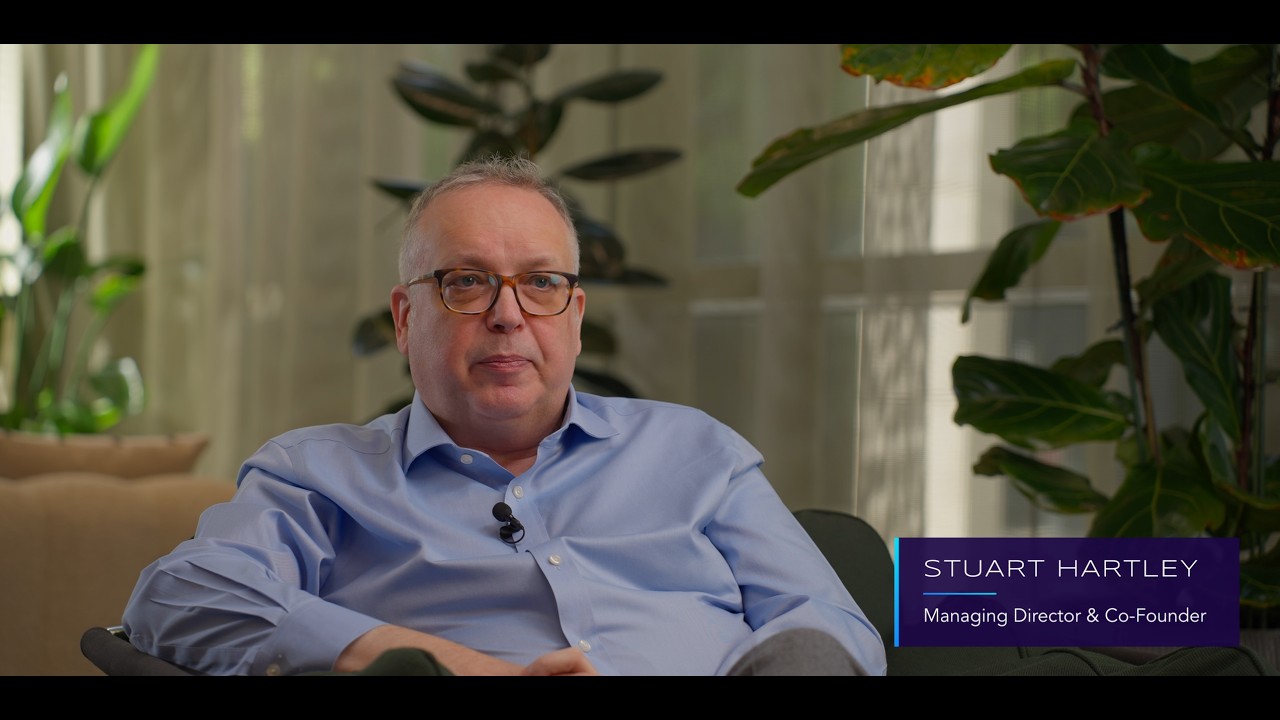
Regulatory examinations are a routine part of transaction reporting supervision and firms must prove their reporting is understood, controlled and evidenced. Stuart Hartley explains how clear ownership, auditable evidence, aligned teams and strong governance support accurate responses, root-cause analysis and remediation.
How Qomply can help
Qomply helps financial firms achieve accurate, compliant transaction reporting across global regulatory regimes, while streamlining the operational and audit demands of regulatory reporting.
Our proprietary technology combines AI, automation and advanced data analytics to deliver scalable, audit-ready reporting intelligence. Through forensic-level quality assurance and streamlined reconciliation, Qomply helps firms strengthen data quality and reporting accuracy, automate controls, simplify audit processes and lower overall reporting costs.
Our technology provides greater oversight and operational efficiency while reducing the demands on internal teams.
For firms seeking to outsource their regulatory reporting operations, Qomply also offers a fully managed service. Combining our technology with deep regulatory expertise, Qomply Managed Services operates as an extension of, or alternative to, an in-house reporting function. This flexible model enables firms to outsource reporting operations while retaining the option to bring activities in-house as their own capabilities and resources evolve.
MiFIR | EMIR | SFTR | CFTC | CSA | MAS | ASIC | HKMA
Frequently asked questions
Examination readiness means being prepared to demonstrate that a firm’s transaction reporting framework is understood, controlled and evidenced. It involves clear ownership, an auditable evidence trail, coordinated teams and timely, accurate responses supported by underlying records.
An examination or enquiry gives a firm the opportunity to demonstrate how its transaction reporting framework operates and how its controls are evidenced. The firm needs to coordinate its response, gather supporting records and clearly explain any weaknesses and remedial actions.
Firms should establish clear responsibility for answering the regulator, keep an auditable evidence trail and align Legal, Compliance, Operations and Technology. Responses should be timely, accurate and consistent with the underlying records. Firms should also consider legal privilege, notification obligations and consistency across jurisdictions before sending information.
Firms should explain the weakness clearly, assess its scope and implications, and investigate the root cause. They should be able to demonstrate the corrective action and the governance behind it, while considering relevant notification obligations.
Qomply’s Managed Services team keeps documentation, ownership and processes current as part of daily operations. The team keeps a clear, traceable audit trail of detected issues, actions and responsibility for resolution, so supporting evidence exists before a regulator requests it.
Purpose-built solutions and services for regulatory reporting
Designed to improve accuracy, reduce risk, and support confident transaction reporting.